

Support for after the call.Specialized counselling for frontline professionals in Nova Scotia navigating operational stress and improving function both on and off shift.
Support Beyond the Shift.
ABOUT
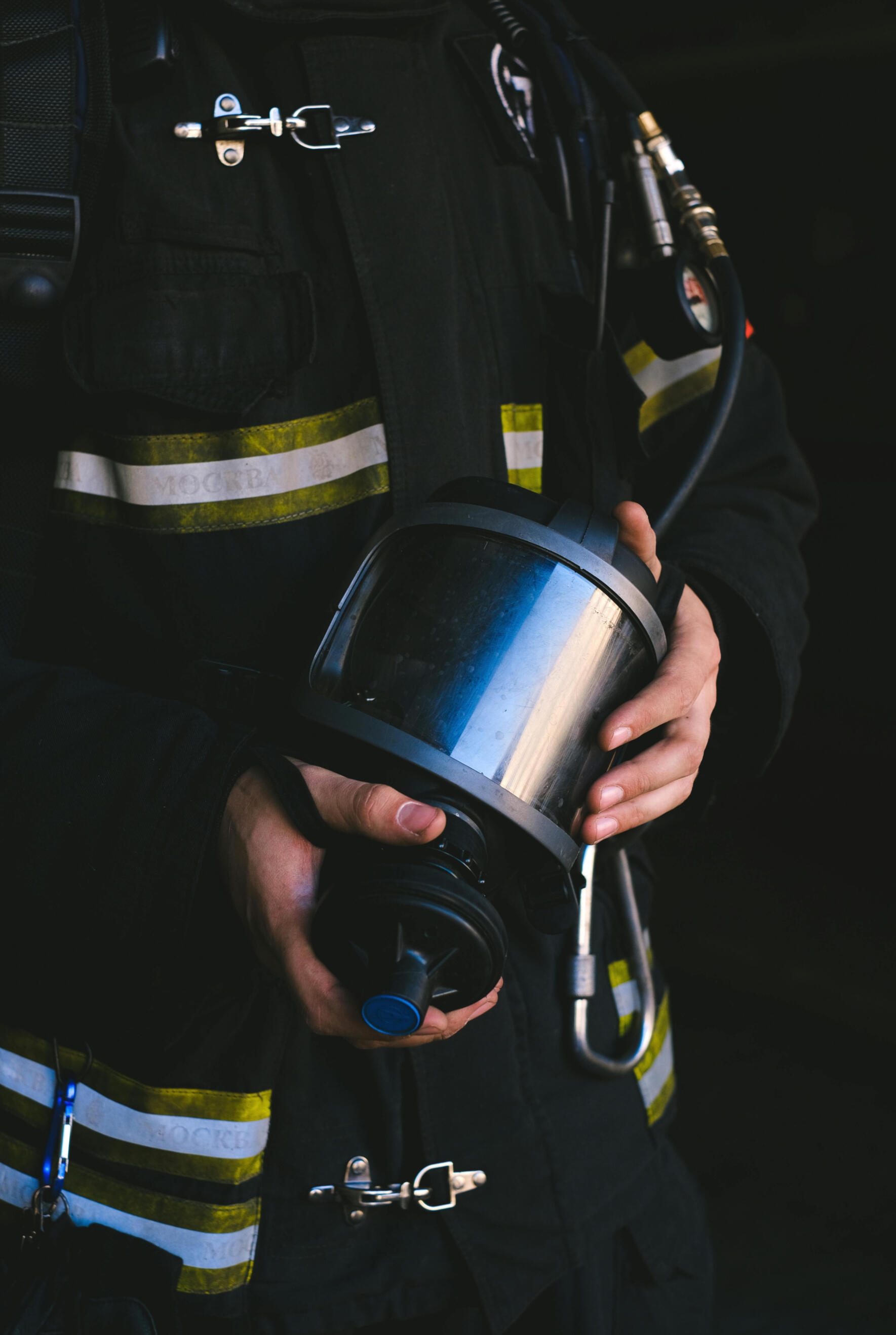
Virtual counselling for first responders and frontline professionals across Nova Scotia.Specialized support for operational stress, trauma exposure, burnout, nervous system overwhelm, and the impact the work can have on daily life, relationships, and functioning on and off shift.We offer EMDR therapy, Cognitive Processing Therapy (CPT), trauma-informed counselling, and practical strategies focused on improving recovery, resilience, and day-to-day functioning after cumulative stress and critical incidents.Online sessions are designed to provide confidential, accessible support for those working in high-demand roles including police, fire, EMS, healthcare, corrections, and other frontline professions.
Denise Harrietha is a Nova Scotia–based clinical therapist specializing in trauma, operational stress injuries, workplace PTSD, and high-pressure work environments, with a focus on first responders, veterans, and trauma-exposed professionals.Her background includes working within an integrated health clinic providing intensive rehabilitation through WCB Traumatic Psychological Injury programming, supporting clients navigating workplace trauma, nervous system dysregulation, and return-to-work challenges. She also has experience supporting Veterans Affairs Canada (VAC) clients and is familiar with EHN Guardians, EAP, and PSPNET referral pathways and supports.Denise’s approach is practical, structured, and trauma-informed, grounded in over 13 years of experience in crisis support and counselling, alongside personal insight from a family background in law enforcement and the fire service. She helps clients better understand stress responses, improve daily functioning, and navigate the impact of the work both on and off shift.

Where Clinical Expertise Meets Real-World Understanding.
Meet Your Clinician

Virtual. Confidential.Meeting you where you are — between shifts, or after the call.
SERVICES

1:1 virtual counselling services tailored to trauma, operational stress, burnout, and nervous system recovery.
Sessions are delivered securely through Jane App, a platform that supports Canadian privacy and security standards for virtual care.
Provider is registered and in good standing with the Nova Scotia College of Counselling Therapists (NSCCT).
Standard sessions are 50 minutes in length. Session rate of $160. Direct billing available for most providers.
Flexible appointment availability designed to accommodate shift work schedules, including varying daytime and evening options.
Services are delivered virtually, allowing access to support from the privacy and convenience of your own space across Nova Scotia.
If you are located outside of Nova Scotia, please reach out to discuss service eligibility and regulatory considerations for virtual support in your province or territory.
FAQ
What Clients Often Ask Before Getting Started.
How do I know if what I’m experiencing is PTSD, burnout, or just normal job stress?: // We look at specific patterns like intrusive memories, hypervigilance, avoidance, sleep disruption, and changes in emotional regulation or functioning. Operational stress injuries tend to persist beyond rest periods and show up across multiple areas of life, not just during work.
Will I be able to talk about my work experiences without being overwhelmed or retraumatized? // Yes. We use a paced, stabilization-first approach that keeps you within your window of tolerance. The focus is on control, grounding, and choice—so you are never pushed beyond what your nervous system can safely process.
What if I don’t want to go into details about specific calls or incidents? // That is completely respected. We can work with symptom patterns, body responses, triggers, and functional impacts without requiring detailed event narration or operational disclosure.
Can you support me after intensive rehab or if I want preventative care instead of crisis treatment? // Yes. This work can focus on maintenance, sustainability of gains, and preventing relapse after discharge from intensive programming (such as WCB rehabilitation). Sessions can be scheduled as needed or structured into a mutually agreed follow-up plan for ongoing support.
How long does therapy usually take for operational stress injuries? // It depends on the complexity, duration of exposure, and current level of functioning. Some clients experience meaningful change within a few months, while longer-standing injuries often benefit from phased, longer-term stabilization and integration work.
Can therapy actually help if I’ve been dealing with this for years already? // Yes. Even long-standing operational stress injuries can shift with targeted nervous system regulation and structured trauma work. The goal often starts with improving daily function, sleep, and emotional regulation before deeper trauma processing.
What if I’m still working in the same high-stress environment—can I still improve? // Yes. Therapy is designed to support functioning while still operational. We build skills that fit shift work realities—rapid down-regulation after calls, transition routines between home and work, and tools for managing cumulative stress exposure in real time.
Will you communicate with my employer, WCB, VAC, or case manager if needed? // Only with your explicit consent. If coordination is required, communication is focused, limited, and aligned with your treatment goals and privacy preferences.
What happens if I have a bad reaction or emotional spike between sessions? // We develop a clear stabilization and response plan, including grounding strategies, containment tools, and decision points for when to seek additional support. The goal is to increase your ability to self-regulate between sessions over time.
Contact us
POST shift operational stress support. 2026.